Why Choose Chemical Factories for Your Global Sourcing Needs?
In today's rapidly evolving marketplace, businesses are continually seeking reliable sources for quality products. Chemical factories have emerged as a leading choice for global sourcing needs. These facilities offer expertise in producing a wide range of chemicals essential for various industries. Their advanced production techniques ensure consistent quality and efficiency.
Chemical factories often pride themselves on their state-of-the-art technologies. This gives them a competitive edge in meeting the demands of international clients. However, sourcing from these factories requires careful consideration. It’s essential to evaluate their certifications, supply chain practices, and environmental compliance.
Understanding the complexities of global sourcing is important. While many chemical factories can fulfill large orders, not all are equipped to meet specific customer needs. This variability can lead to potential challenges. Businesses must weigh the benefits against risks, ensuring they partner with trusted and reliable manufacturers.

Factors to Consider When Choosing Chemical Factories for Sourcing
When selecting a chemical factory for global sourcing, several key factors warrant careful consideration. Quality assurance stands out as a primary concern. According to industry reports, approximately 30% of sourcing failures can be traced back to inadequate quality control. A factory with robust testing protocols and ISO certifications can help mitigate these risks. Ensure that they adhere to industry standards specific to your needs.
Another critical aspect is the factory's production capacity and scalability. If your demand fluctuates, collaborating with a factory that can easily adapt to changes is essential. For instance, a factory that can increase production by at least 50% within a short period can offer a competitive edge. This capability not only ensures reliability but also enhances responsiveness to market dynamics.
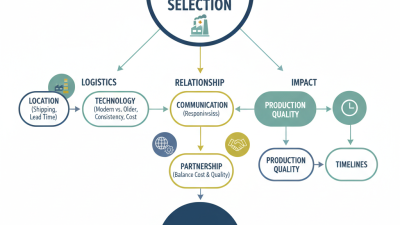
Additionally, the geographical location of the factory plays a significant role in logistics and supply chain efficiency. Factories located nearer to your target market can significantly reduce shipping times and costs. However, this may require a trade-off with pricing. It's essential to weigh these factors based on your unique business model. Engaging with a factory that aligns closely with your strategic goals can contribute to long-term success, even if initial assessments reveal imperfections. Each partnership should be approached with a critical eye, as unforeseen challenges may arise.
Why Choose Chemical Factories for Your Global Sourcing Needs?
This chart illustrates the key factors to consider when choosing chemical factories for global sourcing needs. Each factor is rated based on its importance, helping you to make informed decisions.
Benefits of Sourcing from Chemical Factories in Global Markets
When considering global sourcing, chemical factories present unique advantages. These facilities typically have advanced manufacturing capabilities. They often employ innovative technologies to ensure high-quality production. According to a recent report by the International Council of Chemical Associations, the global chemical market is expected to reach $5 trillion by 2025, illustrating the sector's vitality. Sourcing from these factories can lead to competitive pricing and reliability.
The scalability offered by chemical factories is notable. Many have the capacity to adjust production volumes quickly based on demand. This flexibility is crucial for businesses looking to respond to market fluctuations efficiently. A study published by McKinsey & Company revealed that supply chain resilience can be enhanced by 30% through strategic sourcing partnerships with chemical manufacturers. The strong support systems these factories provide can mitigate risks associated with sourcing.
While there are clear benefits, challenges exist. Communication barriers can arise, especially with overseas suppliers. Navigating differing regulations requires diligence. Additionally, the environmental impact of various chemical processes must be carefully considered. It’s essential to engage in proactive discussions regarding sustainability practices. Balancing cost savings with ethical sourcing is crucial for long-term success in global markets.
Quality Assurance Measures in Chemical Production Facilities
Chemical production facilities prioritize quality assurance at every stage of their processes. These factories employ rigorous testing and validation methods to ensure product reliability. Raw materials are inspected, and every batch undergoes stringent quality tests. This proactive approach minimizes defects and enhances overall production quality.
Certification is a crucial aspect of quality assurance in chemical facilities. Many of these factories adhere to international standards. However, some may face challenges in maintaining consistent compliance. Regular audits help identify gaps. This transparency builds trust with clients, yet there is always room for improvement.
Moreover, training employees on quality control practices is essential. Skilled personnel are vital to spotting issues early. However, not all workers receive adequate training. A lack of knowledge can lead to oversights, affecting product quality. Investing in continuous education for employees can mitigate these risks and foster a culture of quality.
Cost-Effectiveness of Utilizing Chemical Factories for Sourcing
When considering global sourcing options, chemical factories offer significant cost advantages. These manufacturers often operate at scale, enabling them to produce materials more efficiently. Lower production costs can translate into substantial savings for businesses seeking raw materials for various applications. Utilizing local resources also reduces transportation costs, further enhancing overall affordability.
Additionally, many chemical factories focus on optimizing their processes. This focus leads to innovations that improve both speed and quality. While it’s essential to evaluate suppliers carefully, the potential for cost savings is considerable. Companies might encounter variations in quality, which necessitates diligent testing and assessments before finalizing contracts.
Investing time in understanding each factory's capabilities and expertise pays off. A well-chosen partner can provide not only competitive pricing but also reliable service. However, this decision requires critical thinking. Potential risks like fluctuating prices or supply chain disruptions must be factored into the sourcing strategy. Balancing these risks with the benefits of chemical factory partnerships is crucial for long-term success.
Why Choose Chemical Factories for Your Global Sourcing Needs? - Cost-Effectiveness of Utilizing Chemical Factories for Sourcing
| Sourcing Aspect |
Chemical Factories |
Traditional Suppliers |
| Cost per Unit |
$0.50 |
$0.75 |
| Lead Time (Days) |
10 |
15 |
| Minimum Order Quantity |
1000 units |
500 units |
| Quality Assurance |
ISO Certified |
Varies |
| Sustainability Practices |
High |
Moderate |
Sustainability Practices in Modern Chemical Manufacturing Operations
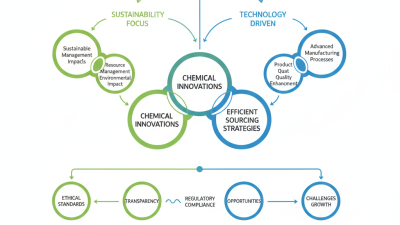
Chemical manufacturing has undergone significant transformations in recent years, shifting towards more sustainable practices. Embracing sustainability is not just a trend; it is vital for the future of the industry. Many factories are now adopting eco-friendly technologies and processes. This approach minimizes waste and reduces the carbon footprint associated with production.
Efficient resource management is key. Factories invest in technologies that recycle water and reduce emissions. For example, closed-loop systems can help reuse solvents and chemicals. However, achieving true sustainability requires continuous effort. Some factories still struggle with outdated processes, which can undermine their environmental goals. A candid evaluation of existing practices often reveals opportunities for improvement.
When sourcing from chemical manufacturers, consider their sustainability track record. Research their waste management practices and energy consumption. Engage in dialogues about their initiatives. Establishing partnerships with companies that prioritize the environment will lead to better outcomes for all. It's not just about the products; it’s about the impact on our planet.