How to Find Reliable Chemical Factories Worldwide?

Finding reliable chemical factories worldwide is not simply a search for the lowest quotation. It is a risk assessment exercise. A supplier may show polished equipment, yet provide weak batch records or unclear quality controls. Cefic’s Facts and Figures 2024 reports that global chemical sales reached approximately €5.7 trillion in 2023. That scale creates opportunity, but it also increases supplier complexity. Experienced procurement teams therefore examine production capacity, process safety, certifications, export history, and financial stability before negotiating prices. The details matter. A functional laboratory, labeled retention samples, and traceable raw-material records often reveal more than a modern reception area.

Independent data supports this cautious approach. The World Bank’s Logistics Performance Index 2023 shows major differences in customs efficiency, infrastructure, and shipment reliability across markets. These differences can affect delivery dates, documentation, and product condition. UNIDO’s International Yearbook of Industrial Statistics also emphasizes the importance of industrial capability and manufacturing performance when comparing countries. However, national statistics cannot verify one specific supplier. That gap requires direct evidence. Request recent audit reports, test certificates, safety data sheets, production photographs, and customer references. Verify them through third parties where possible. Never rely on a website alone. Too simple.

This guide explains how to screen chemical factories through documentation, technical communication, factory audits, sample testing, and contract controls. It also considers responsible sourcing, worker safety, environmental management, and legal compliance. A perfect supplier does not exist. A transparent one is usually easier to manage. The goal is not to remove every uncertainty, but to identify it before money, time, and product quality are exposed.
How to Find Reliable Chemical Factories Worldwide?

Defining the Requirements for a Reliable Chemical Factory

A reliable chemical factory begins with a clear definition of your requirements. Specify the chemical type, purity range, annual volume, packaging, and delivery destination. Include acceptable batch variation and storage conditions. Vague requests create vague quotations. They also hide production risks. In my supplier reviews, a simple requirement sheet has prevented costly misunderstandings. Keep it practical. Ask whether the factory can maintain stable output during seasonal demand, equipment maintenance, or raw-material delays. A factory that only promises perfect conditions may deserve closer questions.

Technical capability should be measurable, not promotional. Request recent test reports, certificates of analysis, process controls, and documented quality procedures. Check whether testing occurs in an equipped laboratory with trained personnel. Ask for sample retention, traceability, deviation handling, and corrective-action records. These details show how the factory reacts when results fall outside specifications. Safety evidence matters too. Review hazard communication, worker training, emergency systems, waste controls, and transport preparation. Requirements should follow the destination’s applicable regulations, not assumptions copied from another market. I have learned that paperwork can look complete while shop-floor practices remain unclear. An independent audit or live video inspection can expose that gap.

Define commercial and communication requirements before selecting a factory. Confirm lead times, minimum order quantities, payment terms, inspection rights, and change-notification procedures. Name one responsible contact for technical questions. Require written records for packaging and specification changes. Visit the site when practical, or use a qualified local auditor. Observe cleanliness, labeling, calibration status, and batch records. Do not ignore small inconsistencies. They may be harmless, or they may signal weak control. Reliable sourcing depends on evidence, repeatable processes, and honest communication. My own checklists have improved decisions, but they are not perfect; periodic review is still necessary.

How to Find Reliable Chemical Factories Worldwide?

Defining the Requirements for a Reliable Chemical Factory

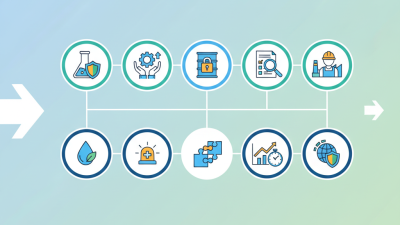
A reliable chemical factory should demonstrate documented quality control, regulatory compliance, process safety, environmental management, worker protection, supply continuity, and full product traceability. The weighting is a practical due-diligence model based on internationally recognized management and safety practices, including ISO 9001, ISO 14001, ISO 45001, ISO 50001, GHS, and chemical transport and storage requirements.

Researching and Shortlisting Global Chemical Manufacturers

Finding reliable chemical factories worldwide starts with disciplined research, not a quick online search. Define the material, required purity, annual volume, packaging, and destination market. Check whether each manufacturer has suitable production equipment and documented quality controls. Public certificates can help, but they should never replace direct verification.

I usually compare factory websites, technical data sheets, audit reports, and customer references. Request recent batch records, safety data sheets, testing methods, and realistic production schedules. Ask how the factory manages raw material traceability, contamination risks, rejected batches, and transport conditions. A video tour is useful, although it cannot reveal everything. My first shortlist was too broad. I learned that attractive prices often hide weak communication or unclear specifications. Independent inspections may be worthwhile before signing a long-term agreement. Confirm that the facility follows applicable environmental, safety, export, and import requirements in every relevant market.

Tips: Build a scoring sheet with quality, capacity, response time, documentation, pricing, and risk controls. Give each category a clear weight. Speak with technical staff, not only sales representatives. Request a small sample and compare it with your written specification. Keep evidence for every decision. Do not ignore small concerns, such as changing answers, missing test dates, or inconsistent batch details. A supplier may be capable, but not suitable for your process. Recheck the shortlist when volumes, regulations, or product requirements change.

Verifying Factory Quality, Safety, and Regulatory Compliance

Finding a reliable chemical factory begins with evidence, not attractive brochures. During supplier reviews, inspect production areas, storage rooms, and loading points. Look for labeled containers, clean floors, spill controls, and clearly marked emergency exits. Ask how workers record batch numbers, test results, and deviations. Small details matter. A missing signature can weaken an otherwise strong quality system.

Request current permits, management-system certificates, safety data sheets, and product specifications. Verify certificates through the issuing body or official registry when available. Check whether the factory follows the regulations required in your destination market. Requirements may differ by country, product category, labeling language, and transport method. Do not accept copied documents without checking dates, addresses, and scope. Independent laboratory testing can confirm identity, purity, moisture, and contaminants before shipment.

Quality should remain consistent after the first successful order. Review complaint handling, recall procedures, employee training, equipment maintenance, and supplier controls. Ask for recent audit findings, including unresolved weaknesses. A factory that admits problems may be more reliable than one showing perfect records. I have learned that remote assessments miss practical clues, such as crowded storage aisles or poorly controlled access. An on-site visit is stronger, but it is not infallible. Use documented inspections, random samples, and regular reassessment to reduce avoidable risk.

How to Find Reliable Chemical Factories Worldwide? - Verifying Factory Quality, Safety, and Regulatory Compliance

Practical due-diligence benchmarks for comparing chemical manufacturers. Applicability depends on the product, destination market, intended use, and transport classification.
Verification Dimension Key Requirement Objective Benchmark Evidence to Request Verification Method Priority
Quality Management Documented quality management system Production, inspection, nonconformance, corrective-action, and change-control procedures are documented and implemented. Current quality manual or process map, internal audit records, corrective-action log, and management-review records. Review controlled documents and test whether records match actual production practices during an audit. Critical
Quality Certification ISO 9001 certification, where applicable Certificate is valid, covers the relevant manufacturing site and activities, and is issued by an accredited certification body. Certificate number, scope, expiry date, site address, and latest surveillance-audit status. Confirm certificate details directly through the certification body or its public directory. High
Raw-Material Control Approved supplier and incoming-material controls Each critical raw material has defined specifications, supplier approval criteria, lot identification, and incoming inspection requirements. Approved-supplier list, raw-material specifications, incoming inspection records, and traceability samples. Trace selected finished-product lots back to raw-material lots and supplier documentation. Critical
Laboratory Capability Reliable testing and calibration program Test methods are defined, instruments are calibrated at planned intervals, and results are reviewed against acceptance criteria. Equipment register, calibration certificates, method validation or verification records, analyst training records, and test raw data. Inspect the laboratory, review recent test records, and compare calibration status with equipment labels. Critical
Batch Consistency Certificate of analysis and release process Every commercial batch is released against approved specifications, with lot number, test results, units, methods, and authorized approval. Redacted certificates of analysis from multiple batches, product specifications, release checklist, and retention-sample procedure. Compare certificates with laboratory records and verify that results meet the approved specification limits. Critical
Process Safety Hazard identification and process-risk assessment Material, energy, reaction, pressure, temperature, incompatibility, and exposure hazards are assessed before and during production. Risk assessments, process hazard analyses, operating procedures, emergency shutdown logic, and management-of-change records. Review a representative process and confirm that identified hazards are reflected in operating controls. Critical
Worker Safety Occupational health and safety management Workers receive role-specific training, suitable personal protective equipment, emergency instruction, and incident reporting access. Training matrix, PPE assessment, incident statistics, emergency-drill records, medical-monitoring policy, and safety procedures. Interview operators, inspect PPE availability, and observe workplace controls during an on-site visit. Critical
Safety Certification ISO 45001 certification, where applicable Certification covers the relevant site and occupational health and safety activities, with no unresolved major findings. Valid certificate, audit scope, latest audit report or summary, and corrective-action closure evidence. Validate certificate status and review the handling of major or repeated audit findings. High
Environmental Control Environmental management and emission controls Waste, wastewater, air emissions, chemical storage, spills, and environmental permits are controlled according to local law. Environmental permits, waste-transfer records, discharge-monitoring results, spill-response plan, and inspection reports. Check permit validity, inspect storage and waste areas, and reconcile waste quantities with production records. High
Regulatory Documentation Current safety data sheet The SDS follows the 16-section structure specified by the applicable GHS-based regulatory framework and matches the product composition and classification. Current SDS, revision history, hazard classification rationale, exposure controls, transport information, and emergency measures. Review technical consistency between the SDS, product label, specification, composition range, and test data. Critical
Product Classification Hazard communication and labeling Labels identify applicable hazards, signal words, pictograms, precautionary statements, product identifiers, and supplier details required by the destination market. Commercial label artwork, label approval record, packaging specification, and destination-market compliance review. Compare labels with the SDS and applicable chemical-classification rules for each target market. Critical
Market Compliance Destination-market registration or notification Required registrations, notifications, authorizations, or exemptions are identified for the importing country and intended use. Registration or notification evidence, substance identity information, tonnage band where relevant, and importer-of-record responsibilities. Confirm requirements with the competent authority, qualified regulatory adviser, or official regulatory database. Critical
Supply-Chain Traceability Lot and recall traceability Finished goods can be traced from raw materials through production, packaging, storage, shipment, and customer delivery. Lot-coding procedure, electronic or paper traceability records, mock-recall results, and retention-sample policy. Perform a documented backward-and-forward traceability test using a selected lot. Critical
Storage and Handling Compatible storage conditions Temperature, humidity, segregation, ventilation, secondary containment, shelf life, and incompatibility controls are defined and monitored. Warehouse map, compatibility matrix, monitoring logs, inspection checklist, stock-rotation records, and spill-control equipment list. Inspect storage areas and compare actual conditions with product-specific requirements. High
Dangerous-Goods Transport Transport classification and packaging Where applicable, UN number, proper shipping name, hazard class, packing group, packaging instruction, and marks are correctly determined. Transport classification assessment, packaging certification, shipping documents, and dangerous-goods training records. Check shipment documentation and packaging against the applicable international or national transport rules. Critical
Business Continuity Capacity and contingency planning Available capacity, critical equipment, utilities, backup arrangements, maintenance planning, and disruption-response procedures are documented. Capacity statement, production schedule, preventive-maintenance records, business-continuity plan, and recovery-time assumptions. Compare declared capacity with historical output, equipment constraints, staffing, and maintenance requirements. High
Ethical and Legal Conduct Compliance with labor and anti-bribery requirements The factory prohibits forced labor, child labor, falsification, bribery, retaliation, and unauthorized subcontracting. Code of conduct, worker grievance procedure, age-verification records, subcontractor controls, and relevant audit findings. Conduct confidential worker interviews and review records without relying only on management statements. High
Independent Verification On-site audit and corrective-action follow-up High-risk facilities receive an independent audit before approval, and significant findings are assigned owners and closure deadlines. Audit protocol, completed audit report, photographic evidence where permitted, corrective-action plan, and closure verification. Use a risk-based audit covering documents, production, laboratory, warehouse, safety, environment, and worker interviews. Critical

Evaluating Production Capacity, Technology, and Supply Stability

Finding a reliable chemical factory worldwide requires more than checking a website. Production capacity should be verified on the factory floor. Ask for current output, available shifts, storage limits, and maintenance records. Compare these figures with your forecast, not with an attractive sales promise. Visit the plant when possible. Photographs can hide bottlenecks. Observe raw-material flow, batch records, worker training, and emergency controls. An experienced evaluator also checks whether quality staff can stop a batch without pressure. That detail often reveals real operating discipline.

Technology assessment should be practical. Request process diagrams, equipment age, automation levels, and recent validation data. Modern reactors alone do not guarantee consistent results. Operators must control temperature, pressure, mixing, and contamination risks. Ask for sample specifications, testing methods, and deviation reports. Independent laboratory checks can confirm key claims. Some factories provide impressive documents but explain them poorly. That is a warning, not proof of failure. Still, unclear answers deserve careful review.

Supply stability depends on resilience, not promises. Review supplier diversity, backup utilities, inventory policies, export experience, and realistic lead times. Check how the factory handled shortages, storms, or equipment failures. Request a written continuity plan and clear communication contacts. Payment terms and contract remedies should be understandable and lawful. Ideally, begin with a controlled trial order before expanding volumes. This may feel slower. It can prevent costly surprises. Even strong factories have weak points, so record them openly and monitor improvement.

Comparing Costs, Logistics, Contracts, and Long-Term Support

Finding reliable chemical factories worldwide requires more than a low quotation. Start by comparing total landed cost, not only the product price. Include testing, packaging, insurance, duties, storage, and currency changes. A cheaper drum may create higher expenses through delays or rejected batches. Request a transparent cost sheet with minimum order quantities and payment stages. Check whether prices remain valid during raw-material fluctuations. Many buyers misjudge this risk. Good data beats confident promises.

Logistics deserves equal attention. Ask for production lead times, port options, packaging specifications, and emergency procedures. Confirm how the factory protects materials from moisture, heat, or contamination. Review shipping documents before the first order. Small errors in labels or batch numbers can delay customs clearance. Compare sea, rail, and air routes according to urgency and legal transport requirements. Use independent inspection when the shipment has high value. A written loading checklist prevents arguments later, although it cannot replace physical verification.

Contracts should define specifications, sampling methods, tolerances, delivery dates, rejected-goods procedures, confidentiality, and dispute handling. Avoid vague promises such as “premium quality.” Attach approved test methods and clear acceptance criteria. Long-term support matters after delivery. Reliable factories share technical documents, respond to deviations, and maintain traceable batch records. Ask how they handle formulation changes or equipment failures. Their answer reveals operational maturity. Still, every supplier deserves periodic review. Demand can rise suddenly, and performance may decline under pressure. Schedule quarterly checks and document every corrective action.