Why Are Specialty Chemicals Essential for Modern Industries?
Specialty chemicals play a critical role in today’s industries. These unique compounds enhance product performance and manufacturing processes. They are essential in various sectors, including pharmaceuticals, agriculture, and electronics.
For instance, specialty chemicals are crucial in developing advanced materials. These materials improve durability and efficiency. In agriculture, they help create effective pesticides and fertilizers that boost crop yields. However, the impact of specialty chemicals is not always straightforward. Some may have environmental and health concerns.
Industries must balance the benefits and potential risks. Continuous research is needed to innovate safer alternatives. This ongoing reflection is vital for sustainable growth. Understanding the significance of specialty chemicals is key to driving progress in modern industries.
The Role of Specialty Chemicals in Modern Manufacturing Processes
Specialty chemicals play a crucial role in modern manufacturing processes. They enhance product performance and improve efficiency across various industries. According to recent industry reports, the global specialty chemicals market is expected to grow to over $900 billion by 2025. This growth highlights their significance in sectors like automotive, pharmaceuticals, and electronics.
In automotive manufacturing, specialty chemicals are used for coatings, adhesives, and sealants. They provide durability and resistance to harsh environmental conditions. For example, advanced coatings improve fuel efficiency and reduce emissions. However, as industries evolve, staying updated on chemical innovations is vital. Old processes may no longer meet today’s standards.
Tips: Invest in R&D for specialty chemicals to stay competitive. Collaborate with suppliers for the latest technological advancements.
In pharmaceuticals, these chemicals aid in drug formulation and delivery. They enhance bioavailability and stability. With regulations becoming stricter, manufacturers must ensure compliance without sacrificing quality. Often, existing methods require reevaluation to meet new standards efficiently.
Tips: Regularly review manufacturing processes to identify areas for improvement. Training teams on new regulations is essential to avoid lapses.
Specialty chemicals are indispensable, driving progress in modern manufacturing. Awareness and adaptability are key to leveraging their full potential.
Why Are Specialty Chemicals Essential for Modern Industries?
| Chemical Type |
Applications |
Industries Served |
Significance |
| Surfactants |
Detergents, emulsifiers, wetting agents |
Household products, industrial cleaning |
Enhances cleaning efficiency and effectiveness. |
| Polymers |
Coatings, adhesives, plastics |
Construction, automotive, consumer goods |
Provides durability and functional performance. |
| Catalysts |
Chemical synthesis, refining processes |
Petrochemical, pharmaceutical |
Increases reaction rates, enhancing efficiency. |
| Specialty Solvents |
Diluents, extraction agents |
Paints, coatings, electronics |
Solubilizes materials for processing and application. |
| Additives |
Stabilizers, colorants, preservatives |
Food, cosmetics, plastics |
Enhances product quality and longevity. |
Key Applications of Specialty Chemicals in Various Industries
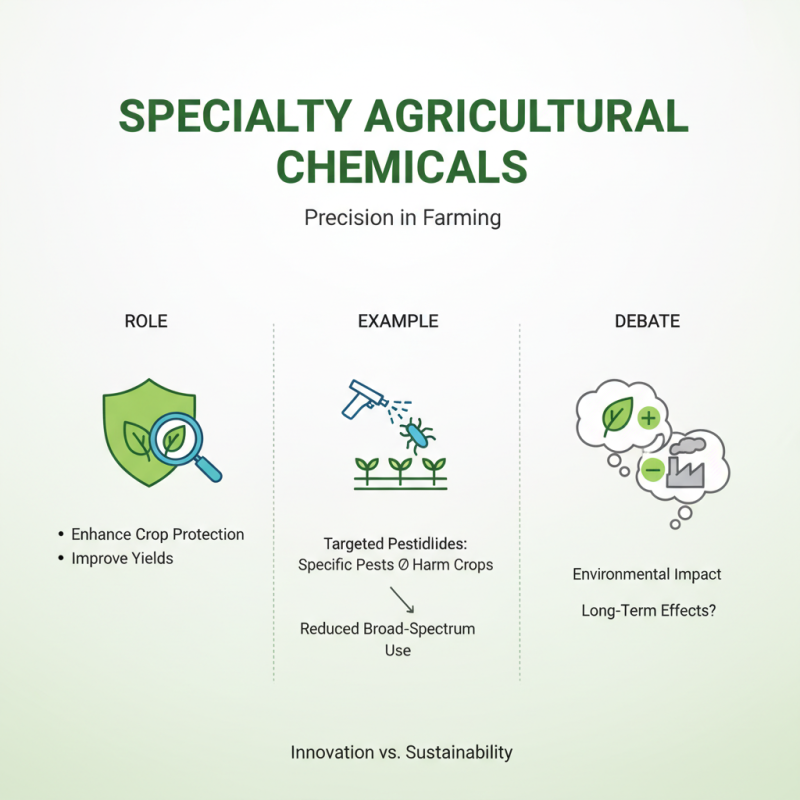
Specialty chemicals play a crucial role in diverse industries. In the agricultural sector, these chemicals enhance crop protection and improve yields. For example, specialized pesticides are designed to target specific pests without harming the crops. This focused approach reduces reliance on broad-spectrum chemicals. However, there is an ongoing debate about environmental impacts and long-term effects.
In the automotive industry, specialty chemicals are vital for producing coatings and adhesives. They ensure better durability and resistance to various conditions. Imagine a car that can withstand harsh weather without degrading. Yet, the production process can generate waste, raising questions about sustainability. The balance between performance and environmental responsibility needs continuous reflection.
The pharmaceutical industry also relies heavily on specialty chemicals. They are essential for drug formulation and delivery. Innovative compounds often lead to more effective treatments. However, the complexity of these chemicals can make drug development costly and time-consuming. There’s always a risk that a promising compound may not reach the market. This uncertainty teaches us the importance of careful research and development.
Innovative Development Trends in Specialty Chemical Production
Specialty chemicals play a crucial role in modern industries, driving innovation and efficiency. The development of bio-based chemicals is a significant trend. These chemicals often reduce reliance on fossil fuels and can lower the carbon footprint of various manufacturing processes. Companies are increasingly investing in research to discover sustainable alternatives. However, challenges remain in scaling production and ensuring cost-effectiveness.
Another trend is the integration of digital technologies in chemical production. Automation and data analytics can optimize manufacturing processes. This leads to improved quality and reduced waste. Yet, the implementation of these technologies can be complex. Many businesses may struggle to adopt them fully. Training the workforce becomes essential, but it is often overlooked.
The market is also seeing a rise in customized solutions. Different industries require specific chemical formulations. While this can enhance performance, it complicates production logistics. Balancing customization with efficiency is a constant challenge. It requires flexibility and innovation, which are not always easy to achieve.
Environmental and Safety Considerations in Specialty Chemical Use
Specialty chemicals play a crucial role in manufacturing, but their environmental impact can't be overlooked. Reports indicate that the specialty chemicals sector generates about 60 million tons of waste annually. This waste can contaminate soil and water, posing risks to ecosystems and human health. Proper disposal methods are still a challenge for many manufacturers.
Safety is another grave concern. A study by the Specialty Chemicals Industry Association found that around 20% of chemical accidents occur during transportation. These incidents often lead to spills that pose immediate threats to local communities. Increased training and safety protocols are essential for the industry.
Regulatory pressures are growing. Many countries have implemented stricter regulations regarding the use of hazardous chemicals. The cost of compliance can be burdensome. However, this cost is often justifiable when considering potential health risks. The industry must adapt by investing in safer alternatives and innovative processes. This shift is necessary to mitigate risks and ensure sustainable practices.
Specialty Chemicals Usage in Modern Industries
Future Outlook: The Impact of Specialty Chemicals on Industry Evolution
Specialty chemicals play a pivotal role in shaping modern industries. They are crucial in sectors such as agriculture, automotive, and electronics. As industries evolve, the demand for specialized chemical solutions increases. These chemicals enhance product performance and sustainability. For instance, they help create lighter materials for vehicles, improving fuel efficiency. Such advancements can lead to lower emissions and cost savings, driving the industry forward.
Tips: Consider the environmental impact when selecting specialty chemicals. Not all solutions are created equal. Some may offer short-term benefits but harm the ecosystem in the long run.
Looking ahead, the specialty chemicals market will continue to grow. Innovations in biotechnology and nanotechnology will lead to new applications. Companies must adapt to these changes. However, they should also remain cautious. A rush to implement new solutions can lead to unforeseen issues. Balancing innovation with responsibility is essential.
Tips: Engage in regular assessments of your chemical supply chain. Ensure that your choices align with sustainable practices. Taking the time to review can yield significant long-term benefits.