What Is Ceremonial Matcha Powder?
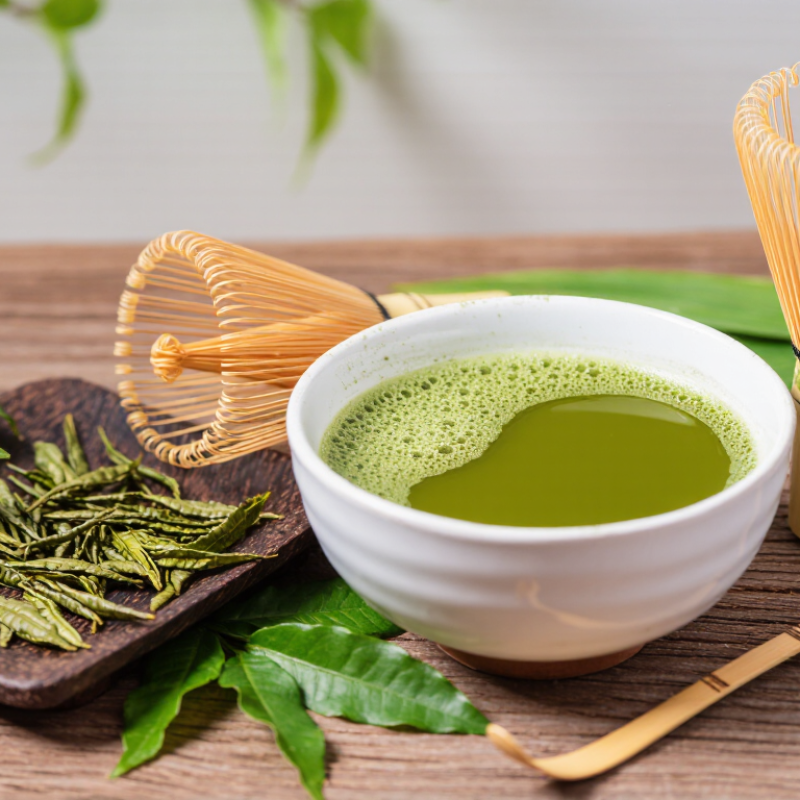
Ceremonial Matcha Powder is finely ground green tea, traditionally whisked with water and served on its own. Its powder is made from shade-grown tea leaves that are steamed, dried, and milled into a smooth, vivid-green form. The exact growing and processing methods vary by producer. In the bowl, good matcha should disperse evenly, forming a soft layer of foam rather than gritty clumps. A bamboo whisk helps, though careful whisking with a small kitchen whisk can work too. The aroma may suggest fresh greens, sea air, or gentle sweetness. The flavor is grassy and savory, sometimes with a mild bitterness. No milk is needed.
The word “ceremonial” sounds precise, but it is not a universally regulated grade. Producers and retailers may use it differently, so the label alone cannot guarantee freshness or taste. Look for clear sourcing details, a sealed package, and a harvest or packing date when available. Color offers a clue, not proof: a lively green hue can be appealing, but storage and origin matter as well. A small amount whisked into warm, not boiling, water makes an easy first tasting. Try it plain before adding sweetener; the flavor can be surprising. It may not suit every palate. This guide explains what ceremonial matcha means, how it differs from other matcha, and what to consider when choosing and preparing it.
What Ceremonial Matcha Powder Is
What Is Ceremonial Matcha Powder?
Ceremonial matcha powder is finely milled green tea, traditionally whisked with water and served without milk. Before harvest, tea plants are shaded for a period of time. The leaves are then steamed, dried, and ground into a vivid green powder. This process helps preserve color and creates a smooth, concentrated drink.
A good matcha should look bright green, smell fresh and grassy, and feel very fine between your fingers. When whisked, it should form a light layer of foam, though a few bubbles do not prove quality. The term “ceremonial” is not a universal, regulated grade. Sellers may use it differently, so check the harvest details, ingredient list, and storage guidance. Matcha can taste gently sweet, but also bitter or vegetal. That difference can reflect the tea itself, water temperature, or preparation—not necessarily a flaw.
Tips: Sift the powder to break up clumps. Use warm, not boiling, water; excessive heat can make the flavor harsher. Start with a small amount, then adjust to your taste. Even careful whisking takes practice.
How Ceremonial Matcha Is Grown and Processed
Ceremonial matcha begins in the field, where growers select tea cultivars for tender shoots and careful handling. Several weeks before harvest, they cover the bushes with screens or traditional reed-and-straw structures. Japan Tea Export Promotion Council guidance describes shading for about 20–30 days. The reduced light encourages deeper green leaves and changes their flavor profile. Timing matters. Too much shade can weaken growth, and weather makes the schedule less predictable.
Growers pick young leaves, remove stems and veins, then briefly steam them to limit oxidation. The leaves are dried without rolling; this unground material is called tencha. Japan’s Ministry of Agriculture, Forestry and Fisheries reported roughly 74,000 tonnes of crude tea production in its 2023 tea statistics. That figure covers many tea types, not matcha alone, so it should not be mistaken for ceremonial-grade output. Tencha is sorted and slowly milled into powder, traditionally with stone mills. It takes time. The process can produce only a small amount per hour, and milling creates heat that may dull aroma if rushed. Shade, harvest date, and handling all matter, but they do not guarantee identical flavor from season to season.
What Is Ceremonial Matcha Powder?
How ceremonial matcha is grown and processed
Matcha comes from tea leaves grown in the shade before harvest. The shaded period is commonly about 20–30 days. After harvesting, leaves are steamed, dried and sorted into tencha, then ground into a fine powder. Growing and processing practices can vary.
What Distinguishes Ceremonial Matcha from Other Grades
Ceremonial matcha is generally made from finely milled green tea leaves intended for drinking with water, rather than blending into recipes. The term sounds precise, but grading practices are not universal. A package label alone cannot guarantee flavor or freshness.
Compared with culinary-grade matcha, ceremonial matcha is often made from younger, shade-grown leaves with stems and veins removed before grinding. This can produce a finer powder and a softer, less bitter taste. In a bowl, it may look vivid green and form a smooth foam when whisked with warm water. Look for a fresh aroma, too; stale powder can smell flat.
Culinary grades are usually chosen for stronger flavor in milk, baking, or other mixtures. Their sharper, more astringent taste can stand up to those ingredients, while delicate ceremonial matcha may get lost. Still, the distinction is not absolute. Growing conditions, processing, storage, and personal taste all matter. Taste it plain. A bright label cannot replace a good cup.
How to Prepare Ceremonial Matcha
What Is Ceremonial Matcha Powder?
How to Prepare Ceremonial Matcha
Ceremonial matcha is finely milled green tea prepared with water and enjoyed on its own. Its flavor and texture vary, so use these measurements as a starting point, not a strict test. Warm a small bowl with hot water, then dry it well. Sift 1–2 grams of matcha into the bowl to break up clumps. A small sieve helps.
Add 60–70 milliliters of water heated to about 70–80°C. Boiling water may make the tea taste harsh. Whisk briskly in a loose W-shaped motion, keeping the whisk near the bowl’s bottom. After 15–20 seconds, a fine layer of foam should form. No whisk? A small milk frother works, though the texture will differ. Drink the tea soon, while its aroma is fresh. If it tastes bitter, try cooler water or a little less powder next time. Foam is not proof of quality. A few clumps happen. It is easy to chase a perfect-looking bowl and overlook whether the tea tastes good to you.
How Ceremonial Matcha Is Used in Japanese Tea Practice
Ceremonial matcha is finely milled green tea, traditionally prepared from shade-grown leaves. In Japanese tea practice, its role is shaped by the setting, the utensils, and the host’s chosen style. The phrase “ceremonial grade” is widely used, but it is not a single, universally fixed standard. Taste, color, and texture still matter.
A host may sift the powder into a warmed tea bowl, add hot water, then whisk with a bamboo whisk. Usucha is the lighter style, often finished with a fine layer of foam. Koicha is thicker, with less water and a slower, kneading motion. Water that is too hot can flatten the tea’s sweetness, so careful preparation matters. The bowl is turned before drinking, allowing guests to avoid its most decorative side. Small gestures carry meaning.
The pause matters. Tea practice is not simply a recipe performed perfectly; the sequence can feel formal, even awkward, to a newcomer. Attention to the bowl’s warmth, the whisk’s sound, and the tea’s changing aroma helps make the moment tangible. Details vary among schools and occasions, so one observed ceremony should not be treated as the only correct version. Outside formal practice, matcha may be prepared more casually, but the same care with water and whisking can bring out its character.
